Brooklyn, New York – The Department of Justice (DOJ) and the Securities and Exchange Commission (SEC) unveiled a sweeping indictment of a planned fraud and bribery conspiracy involving key executives of Adani Group and Azure Power. While the Adani group has denied the charges as baseless, Azure has released a statement saying that it is cooperating with the DOJ and SEC in its investigation.
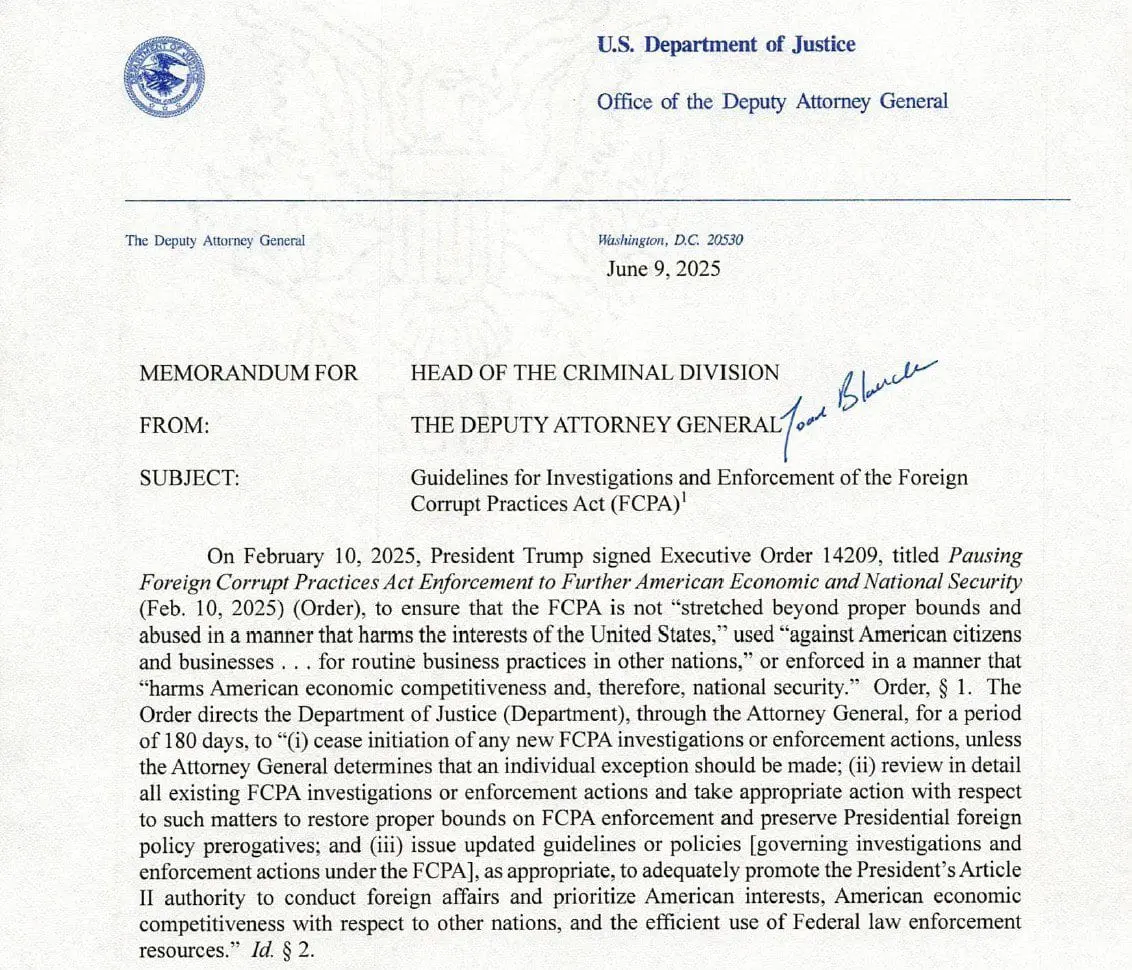
The indictment, filed in the Eastern District of New York, charges multiple individuals with securities fraud, wire fraud, and violations of the Foreign Corrupt Practices Act (FCPA).
The central figures in the case are Gautam S. Adani, Sagar R. Adani, and Vneet S. Jaain. At the heart of the conspiracy is the alleged use of false and misleading statements to raise significant capital for the Adani’s renewable energy projects, specifically a large solar energy venture that was projected to generate billions in profits over the next two decades. The indictment claims that the executives misled U.S. investors about the company’s business practices, by hiding the fact that bribes were being paid to secure contracts.
The charges reveal that the defendants used their connections to funnel (or promise) over $250 million in bribes to Indian government officials in exchange for favorable treatment and lucrative contracts for a solar energy project. This multi-million-dollar bribe scheme is said to have been a key element in securing financing for the energy project, which would otherwise have been difficult to obtain given the company’s lack of proper disclosures and transparency.
In addition to the executives, several other individuals have been named in the indictment, including former executives of a U.S.-listed renewable energy company Azure Power and ex-employees of a Canadian institutional investor. These individuals are accused of assisting in the concealment of the fraudulent activities and helping to obscure the illegal flow of funds.
Breon Peace, U.S. Attorney for the Eastern District of New York, condemned the actions of the executives, stating that the case represents a significant step in holding high-level corporate figures accountable for corrupt practices. “This case highlights the lengths to which these executives went to deceive investors, conceal their criminal conduct, and line their own pockets at the expense of others,” said Peace. “We will continue to pursue justice for the victims of such fraud and corruption.”
Four additional individuals—Cyril Cabanes, Saurabh Agarwal, Deepak Malhotra, and Rupesh Agarwal—are charged with obstruction of justice. These individuals are accused of attempting to cover up the conspiracy by deleting key evidence, providing false statements to investigators, and misleading federal authorities, including the FBI and the SEC.
The case is still developing, and the indicted individuals are expected to face trial, which will shed more light on the scope of the scheme and the extent of the financial misconduct.
Of note, the indictments only named individuals and none of the companies they worked for have been charged so far.
Will Adani Face Jail Time?
The DOJ have a number of hurdles to clear before they can secure a conviction of Adani. Importantly, the DOJ will first need to extradite Adani before he can face trial. This in itself can be a major challenge when facing a person with significant personal wealth. For example, the fugitive businessman Jho Low who perpetrated the 1MDB fraud is still at large in Asia.
Even if Adani is brought to the U.S. to face the charges, a key issue at trial will be whether U.S. courts have sufficient jurisdiction to prosecute him and other individuals in the case, who are all foreign nationals. It appears that much of the misconduct occurred outside the United States. While there are allegations that messages sent by the conspirators travelled through the U.S. and that some individuals were physically present in the U.S. when they were discussing the scheme, courts have taken different approaches to establishing criminal jurisdiction. This is likely to be an issue that could prove critical.
Finally, even if Adani is extradited and there is jurisdiction to try him in the U.S., it is still possible that he will beat the charges by convincing the jury that he is innocent. This is precisely what Lebanese businessman Jean Boustani did in 2019 after being accused of involvement in an international corruption scheme. Boustani was acquitted by a Brooklyn jury, but not before spending weeks in pre-trial detention.