Reprinted with permission from Law360
On June 10, Swiss multinational ABB Ltd. filed to deregister its U.S. depository receipts from the New York Stock Exchange and suspend its reporting obligations to the U.S. Securities and Exchange Commission.[1] It’s not often that a large, and healthy, company chooses to delist from the NYSE. Usually, companies are clamoring in the other direction to get listed in the U.S. According to ABB, international equity markets have changed such that the need to be listed on three exchanges — ABB is listed in
Switzerland and Stockholm — has decreased. Chief Financial Officer Timo Ihamuotila noted that delisting would not affect the company’s ability to serve the U.S. market, which is ABB’s largest, and that delisting would be “yet another step toward further simplification and efficiency.”[2]
ABB was one of the very few companies to have three listings, but in the compliance world, ABB also held the ignominious honor of having settled three Foreign Corrupt Practices Act enforcement actions, putting it top of the list of FCPA repeat offenders. The delisting begs the question of whether the cost of FCPA compliance should factor into a company’s decision to remain listed in the U.S.
Three-Time Offender
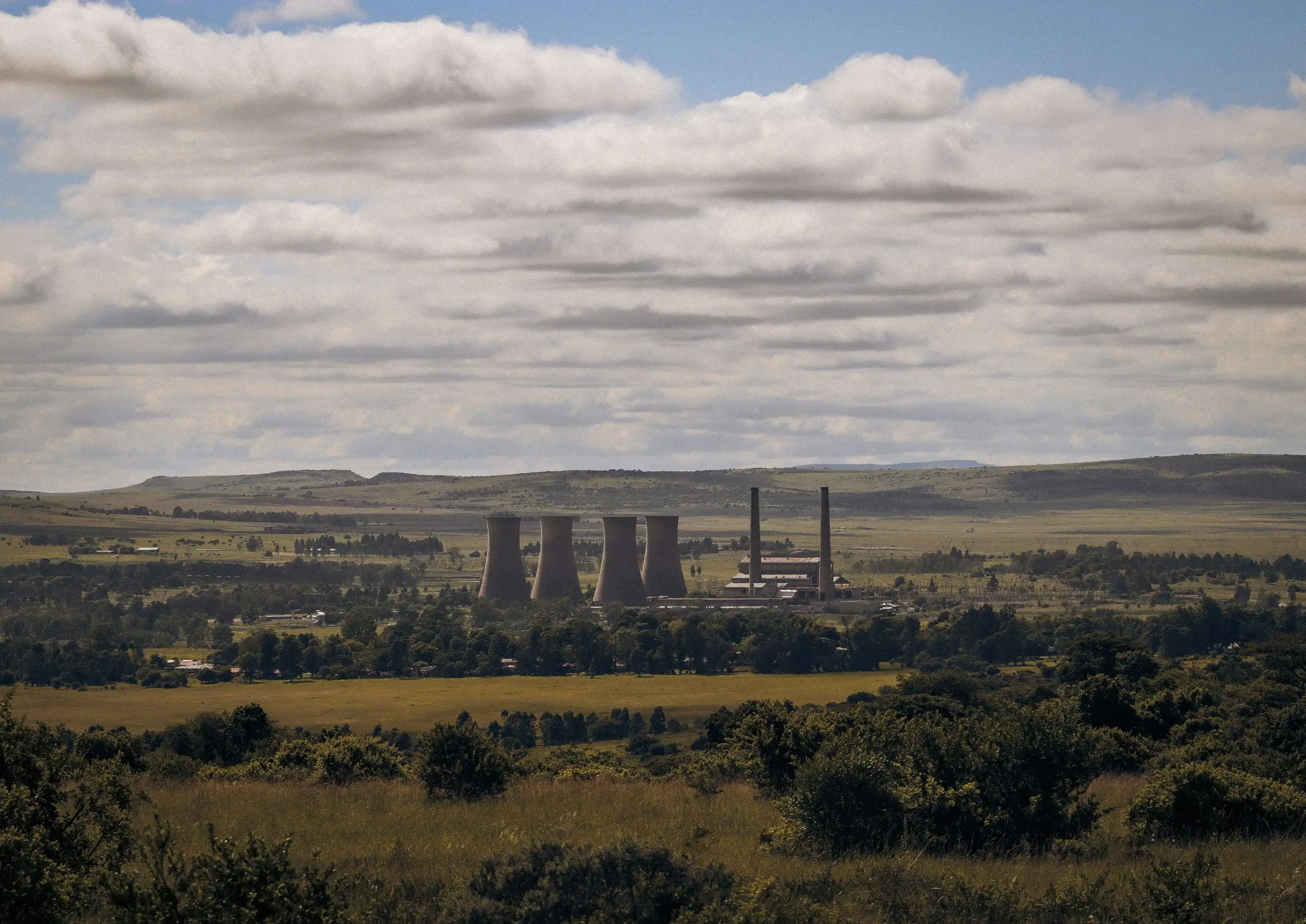
ABB first listed on the NYSE in April 2001,[3] and only three years later it faced its first FCPA enforcement action from U.S. regulators. In 2004, ABB pled guilty to violating the FCPA in a scheme that involved bribes to government officials in Nigeria, Angola and Kazakhstan.[4] ABB paid over $16 million to settle its first FCPA enforcement action. In 2010, ABB pled guilty to violating the FCPA for a second time, with conduct involving kickbacks to government officials in Mexico and Iraq.[5] Civil penalties totaled over $58 million. Finally, in December 2022, ABB pled guilty to FCPA violations involving kickbacks to government officials in South Africa and paid over $300 million to various governments to settle the charges, making it one of the most expensive FCPA fines in history. Just five months after settling the charges, ABB notified the market that it had decided to delist from the NYSE.[6]
The Effects of Delisting
While the delisting from the NYSE was justified by the company as a way to achieve “efficiency and simplification,” for FCPA practitioners, it is hard to escape the fact that the decision to remove itself from the NYSE will effectively remove most of ABB’s obligations under the FCPA. This is because for foreign companies like ABB, the FCPA’s jurisdiction only attaches in one of two ways:
- Some part of the bribery or misconduct takes place within the U.S., which is rare;
- Or far more commonly, the company has stock listed on the NYSE or NASDAQ, meaning that all subsidiaries are subject to the FCPA.
The listing of securities on the NYSE or NASDAQ is the most frequently used jurisdictional basis for prosecuting foreign companies for FCPA violations. As demonstrated in ABB’s three FCPA enforcement actions, most of the conduct that underpinned the charges had no connection with the U.S., but the SEC and the U.S. Department of Justice could bring charges easily because ABB’s American depositary receipts were listed on the NYSE. Now that ABB has removed its American depositary receipts, it has significantly reduced the risk of further prosecution under the FCPA.
The Cost of Compliance
There are many benefits to listing in the U.S. For example, being listed in the U.S. allows a company access to the world’s largest market for capital, and usually allows the company to raise funds by issuing additional shares through secondary offerings. Also, the U.S. is known for its high liquidity and trading volumes, which provide shareholders with the ability to buy or sell shares more easily. For ABB, having two other listings outside of the U.S. likely made these benefits redundant. However, its U.S. listing did come with a host of compliance costs. In addition to the FCPA fines themselves, the cost of legal counsel and the drain on resources in cooperating in multiple yearslong investigations likely put the total cost of FCPA compliance well above what was reflected in the fines. Coupled with SEC reporting obligations and accounting practices that must be observed when listing in the U.S., ABB’s listing in the NYSE was likely to be costly.
The Need for Enforcement in Europe
We are unlikely to find out whether — or to what extent — FCPA liability factored into ABB’s decision to delist, but it is hard to imagine that a sophisticated company like ABB wouldn’t recognize that delisting will significantly reduce the prospect of further FCPA fines and the embarrassment that comes with them. Easier access to capital that is now available through alternative markets is making a listing on the NYSE or NASDAQ less important than it once was. By the same token, the cost of compliance with U.S. laws is likely to play a greater role in a company’s decision to list or stay listed in the U.S.
For corporate compliance practitioners, ABB’s delisting may signal the beginning of a trend, whereby companies will quietly exit U.S. listings in order to reduce exposure to laws like the FCPA. While this is not ideal, it is understandable given the lopsided enforcement of antibribery laws around the globe. In the last two decades, antibribery laws outside the U.S. have been passed to much applause, such as the U.K.’s Bribery Act and France’s Sapin II, but sadly, there has been a dearth of enforcement actions in the wake of this progress. This shines a spotlight on Europe, where some of the most notable bribery scandals uncovered by U.S. authorities have hit home.[7] European nations are long overdue to give their regulators the staff and resources necessary to enforce the antibribery laws they have passed. While the European Union’s Parliament and the Council of the European Union are expected to negotiate a new directive[8] aimed at combating corruption this year, without resources
and political will for enforcement, it will be dust in the wind.
Endnotes
[1] https://new.abb.com/news/detail/116523/abb-files-to-voluntarily-deregister-andsuspend-sec-reporting-obligations.
[2] https://resources.news.e.abb.com/attachments/published/102388/enUS/2AB9F3CD1914/ABB_plans_to_delist_ADRs_from_NYSE.pdf.
[3] https://new.abb.com/news/detail/102388/abb-plans-to-delist-adrs-from-nyse.
[4] https://fcpa.stanford.edu/fcpac/documents/1000/000313.pdf.
[5] https://www.sec.gov/news/press/2010/2010-175.htm.
[6] https://new.abb.com/news/detail/116523/abb-files-to-voluntarily-deregister-andsuspend-sec-reporting-obligations#:~:text=On%20May%2023%2C%202023%2C%20ABB,
percent%20of%20the%20ADTV%20worldwide.
[7] https://ftilaw.com/award-journal/f/fcpa-whistleblower-paid-279-million-for-reportingericsson-to-the-sec/.
[8] https://www.transparency.org/en/news/will-the-eu-raise-anti-corruption-standards.